
Moving Abroad and Your Mental Health: Coping with Change
Moving to a new country is often described as an adventure, and it is. It can also be lonely, disorienting and exhausting in ways that are hard to explain to people back home. Looking after your moving abroad mental health is just as important as sorting visas and apartments.
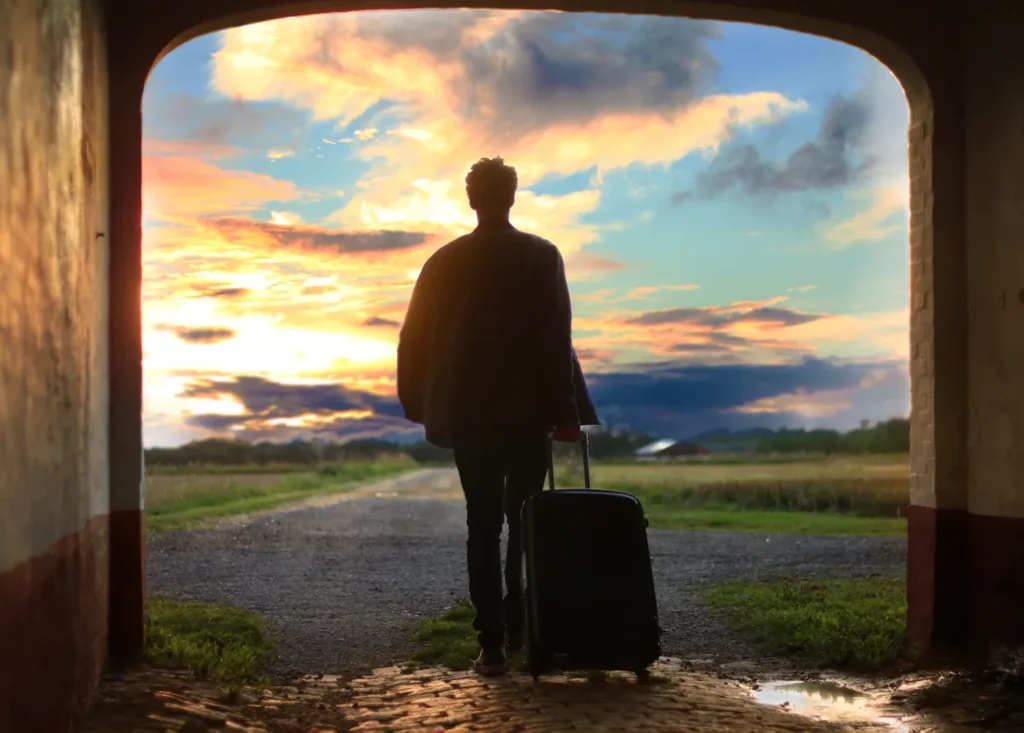
Why moving abroad affects mental health
Almost everything familiar changes at once: language, routines, food, social cues, support networks. Your brain works overtime to make sense of it all. Researchers describe a common pattern of culture shock: an exciting honeymoon phase, a harder frustration phase, then gradual adjustment.
Common struggles after a move
- Loneliness and missing family or friends
- Feeling like a different, less capable version of yourself
- Stress from bureaucracy, housing or work
- Guilt about leaving people behind
- Questions about identity and belonging
Six ways to protect your moving abroad mental health
1. Expect a dip
Knowing that a low phase is normal makes it less frightening when it arrives.
2. Build small routines
A favourite café, a regular walk, a weekly call home. Routines create a sense of safety in a new place.
3. Connect in low pressure ways
Language classes, clubs, volunteering or community groups make friendships easier than waiting for them to appear.
4. Keep threads to home
Cook familiar food, celebrate your festivals, speak your language. Both identities can exist together.
5. Be patient with yourself
Tasks that were easy at home may take longer now. That is adjustment, not failure. Self-compassion helps here.
6. Ask for help early
If low mood, anxiety or sleepless nights continue for weeks, talk to someone.
A short exercise: your three anchors
Take a sheet of paper and write three headings: people, places, practices. Under people, list anyone you can message when you feel low, here or back home. Under places, write spots in your new city where you feel calm, even a bench or a library corner. Under practices, note small habits that steady you, like cooking a familiar dish, a morning walk or a weekly call with family.
Keep the list on your phone. On hard days, choose one anchor from each column. It turns a vague feeling of being lost into three concrete actions.
Common questions about moving abroad and mental health
How long does it take to settle in?
There is no fixed timeline. Many people notice the hardest phase somewhere between three and twelve months after arrival, and a growing sense of home after the first year. Language, work and social connection all affect the pace.
Is it normal to regret the move?
Yes. Doubt is a natural part of adjustment and does not automatically mean you made the wrong choice. Notice the feeling, talk about it, and give yourself time before making big decisions.
Can therapy help if I am not in crisis?
Absolutely. Many people use therapy during transitions to process change, protect their wellbeing and make sense of a shifting identity. Online sessions mean you can start from wherever you are.
Support through life transitions
Life transitions are one of the most common reasons people start therapy. Individual counselling offers space to process change, rebuild routines and reconnect with who you are. Online sessions make it possible wherever you live. Book a session when you are ready.

Gayatri, psychologist and counsellor. Warm, collaborative therapy for self-worth, emotions and the patterns we carry.
This article is for general information and is not a substitute for professional advice. See the disclaimer.